Free shipping on orders over $60

Purple Top White Globe

Brassica rapa

$3.99

12 g Approximately

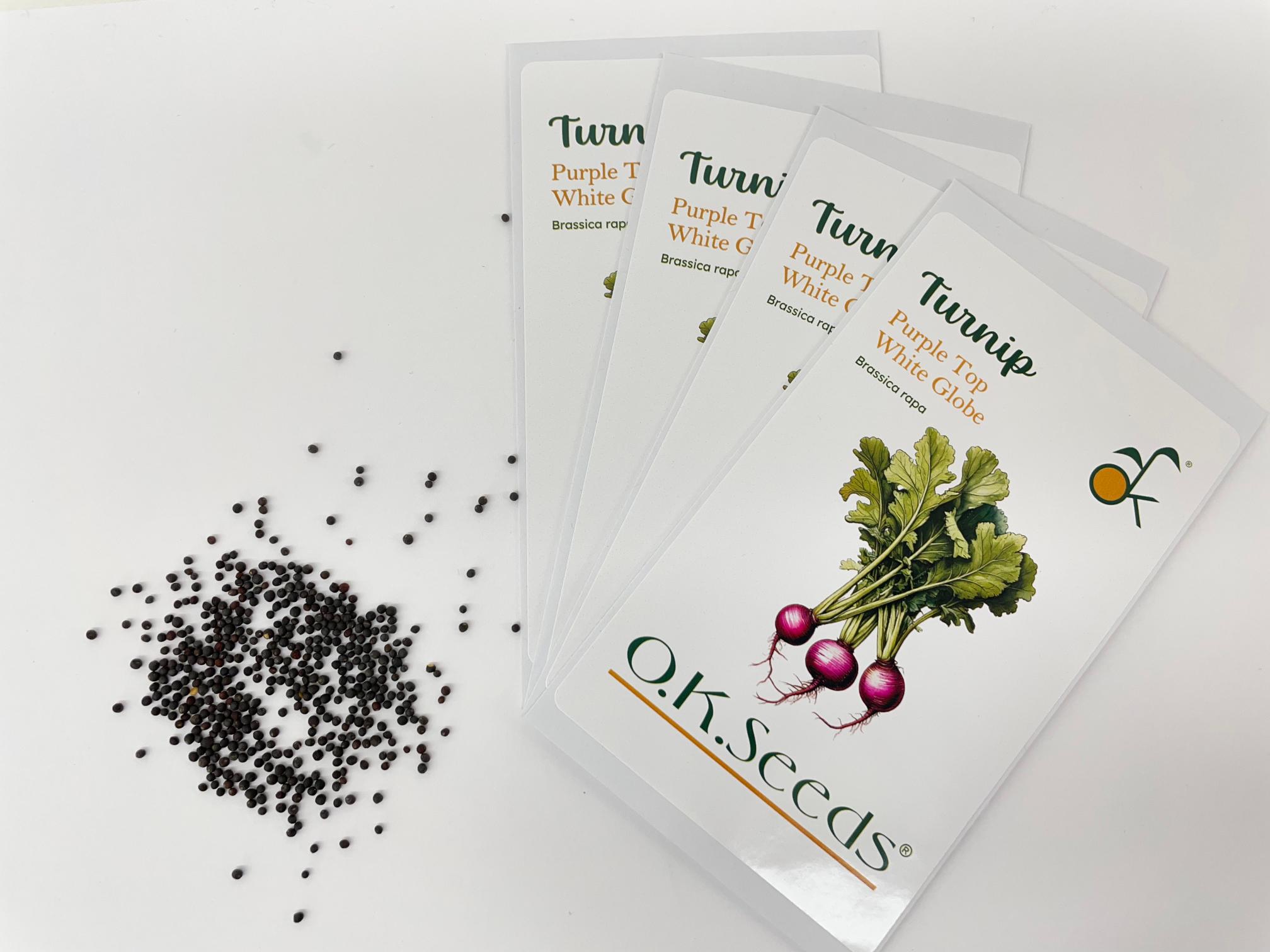
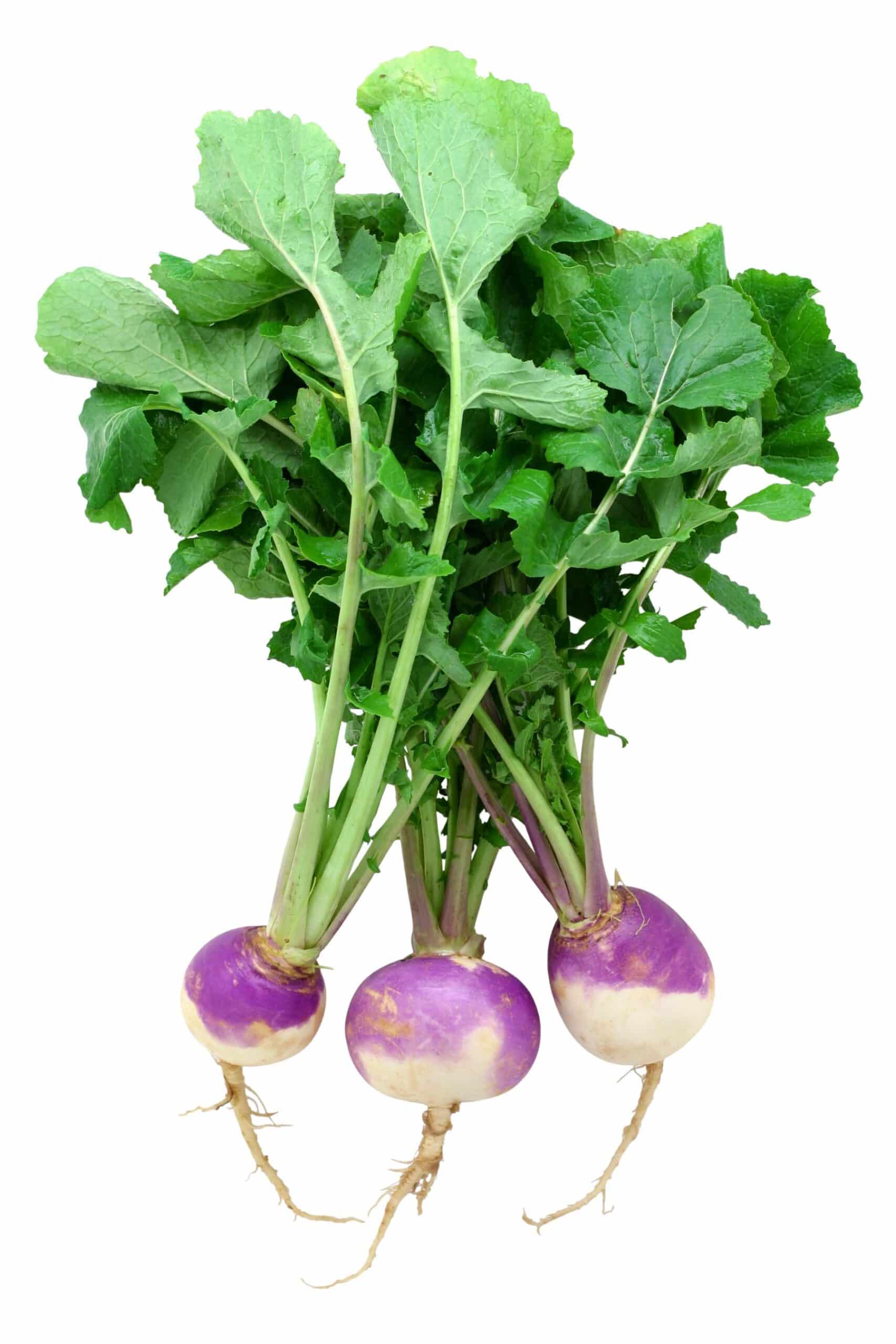
Purple Top White Globe Turnip (Brassica rapa subsp. rapa) is a classic heirloom variety cherished for its sweet flavor, tender texture, and attractive appearance. This turnip features a radiant purple top above the soil line and a crisp white bottom beneath. Both the roots and the leafy greens are edible, making it a versatile addition to your garden and kitchen.

Disclaimer: Sold individually — price is for 1 seed packet only. Image shows multiple packets for display purposes only.

Product images are provided for illustrative purposes only and may not be an exact representation of the product. The actual product may vary due to a variety of factors.

37 in stock

  • Botanical Name: Brassica rapa subsp. rapa
  • Days to Germination: 3Ð10 days
  • Days to Maturity: 50Ð60 days
  • Plant Height: 12Ð24 inches
  • Spacing:
    • Between Plants: 4Ð6 inches
    • Between Rows: 12Ð18 inches
  • Seeding Depth: 1/2 inch
  • Sunlight: Full sun to partial shade
  • Soil pH: 6.0Ð7.5
  • Hardiness Zones: 2Ð9
  • Temperature Preference: 40Ð65¡F (4Ð18¡C)

Sowing Instructions

Timing:

  • Spring Planting: Sow seeds 2Ð3 weeks before the last expected frost.
  • Fall Planting: Sow seeds in late summer, about 8Ð10 weeks before the first expected frost.

Soil Preparation:

  • Choose well-drained, fertile soil rich in organic matter.
  • Work the soil deeply to allow root development.

Planting:

  • Direct sow seeds 1/2 inch deep.
  • Space seeds 1Ð2 inches apart in rows.
  • Keep the soil consistently moist until germination.

Thinning:

  • Once seedlings reach about 2 inches tall, thin them to 4Ð6 inches apart.
  • Use thinned seedlings as baby greens in salads.

Growing Conditions
Watering:

  • Maintain consistent soil moisture to promote rapid growth.
  • Mulch can help conserve moisture and regulate soil temperature.

Fertilization:

  • Incorporate a balanced, nitrogen-rich fertilizer at planting time.
  • Avoid excessive nitrogen, which can lead to lush tops and small roots.

Pest Management:

  • Monitor for pests like aphids, flea beetles, and harlequin bugs.
  • Use row covers or organic insecticides if necessary.

Disease Prevention:

  • Ensure good air circulation to prevent fungal diseases.
  • Rotate crops annually to reduce soil-borne diseases like clubroot.

Harvesting and Storage

Harvesting Roots:

  • Harvest when roots are 2Ð3 inches in diameter for the best flavor and texture.
  • Gently loosen the soil and pull the turnips by grasping the tops.

Harvesting Greens:

  • Pick young leaves when they are tender and 3Ð5 inches long.
  • If harvesting both roots and greens, limit leaf harvesting to avoid stunting root growth.

Storage:

  • Cut off the greens, leaving about 1/2 inch of stem.
  • Store unwashed roots in a cool, dark place with high humidity.
  • Roots can be kept for several months under proper conditions.

Culinary Uses

Roots:

  • Can be eaten raw, roasted, mashed, or added to soups and stews.
  • The flesh is sweet and mildly peppery.

Greens:

  • Cook like spinach or collard greens.
  • Young leaves are tender and slightly spicy.