Free shipping on orders over $60

Red Acre

Brassica oleracea

$3.99

7 g Approximately

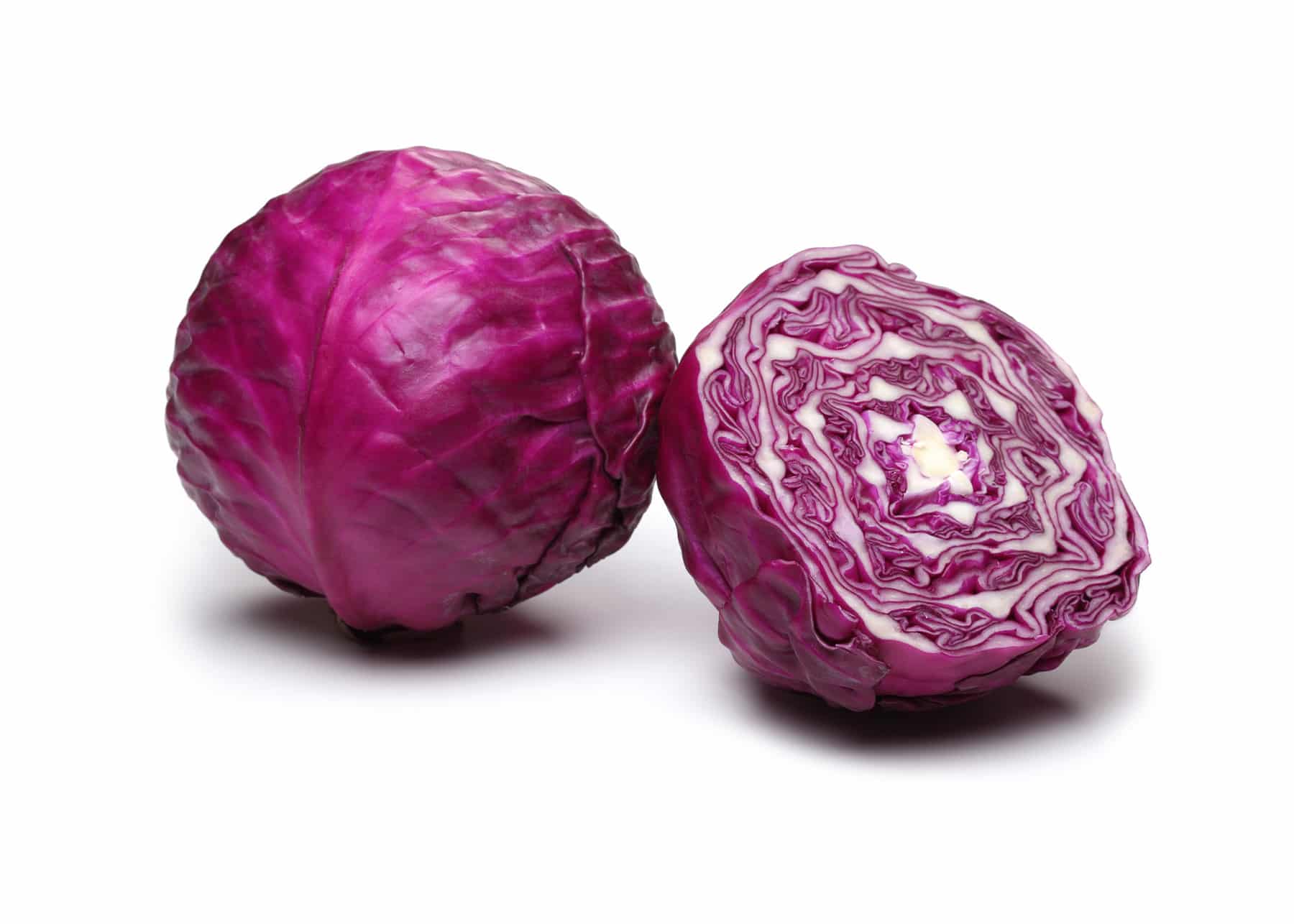
Red Acre Cabbage (Brassica oleracea) is a compact, cold-tolerant cabbage variety known for its vibrant deep-red heads, which bring a sweet, tender flavor to salads, slaws, and stir-fries. Ideal for small gardens, this hardy, split-resistant cabbage can weigh 2-4 pounds and resists cabbage yellows disease. This heirloom variety stores well and is perfect for fresh use.

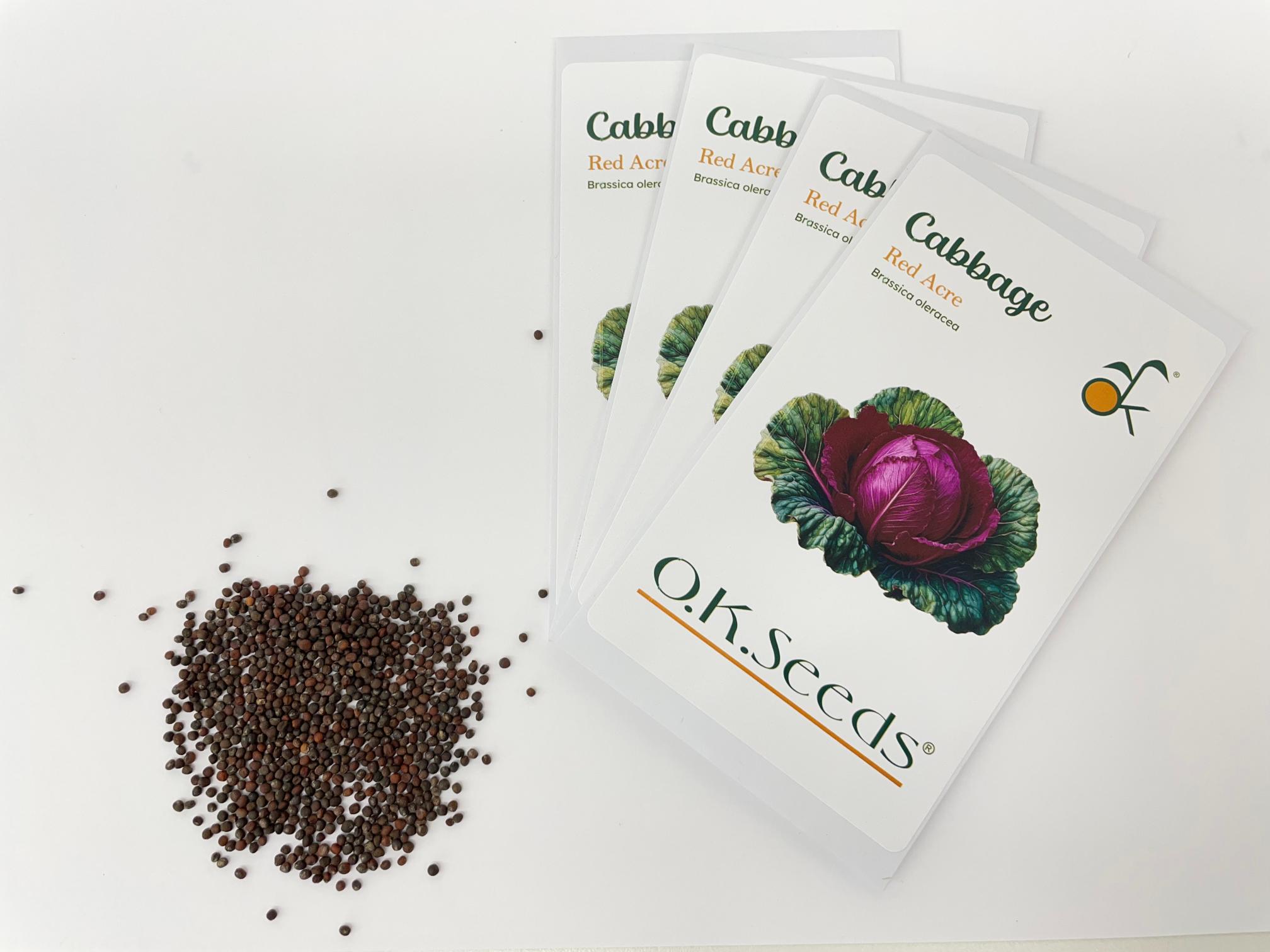
Disclaimer: Sold individually — price is for 1 seed packet only. Image shows multiple packets for display purposes only.

Product images are provided for illustrative purposes only and may not be an exact representation of the product. The actual product may vary due to a variety of factors.

64 in stock

  • Days to Maturity: 75-100 days
  • USDA Hardiness Zones: Annual in zones 3-10
  • Ideal Temperature: 50-75¡F (tolerates frost)
  • Height: 12 inches
  • Spacing: 12-24 inches apart in rows, 24-36 inches between rows
  • Soil Requirements: Rich, well-drained, pH 6.5-7.5
  • Sunlight Requirement: Full Sun to Part Shade

Start Indoors (Recommended):

  • Spring Crop: Sow seeds indoors 6-8 weeks before your last frost date. Ideal germination temperature is 75-85¡F.
  • Fall Crop: Start seeds indoors in midsummer for transplanting outdoors in early fall.
  • Sow seeds 1/4 inch deep and thin to 12-24 inches apart.

Direct Sow Outdoors:

  • Spring Crop: Direct sow seeds outdoors 4-6 weeks before the last frost date.
  • Fall Crop: For mild climates, direct sow 10-12 weeks before the first expected fall frost.

Container Gardening:

  • Choose a large container (at least 12 inches deep) with rich, well-draining soil and place in a sunny location.

Growing Tips

  • Watering: Maintain consistent moisture, especially as heads develop. Mulching helps retain soil moisture and control weeds.
  • Fertilizing: Cabbage is a heavy feeder; use a high-nitrogen fertilizer every 3-4 weeks.
  • Companion Plants: Plant near dill or rosemary for pest control. Avoid planting near strawberries, tomatoes, or pole beans.

Harvesting and Storage

  • Harvesting: Harvest once heads are firm and well-developed, ideally in the morning. If harvesting in warmer weather, dunk heads in ice water to extend freshness.
  • Storage: Store unwashed in the refrigerator or root cellar at 32¡F with 95% humidity.

Culinary Use and Nutritional Benefits

This cabbage’s crisp, tender leaves bring vibrant color and flavor to dishes like coleslaw, salads, and stir-fries. It’s a good source of vitamin C and fiber, making it a nutritious addition to any meal.