Free shipping on orders over $60

Parris White Cos - Romaine

Lactuca sativa

$3.99

2 g Approximately

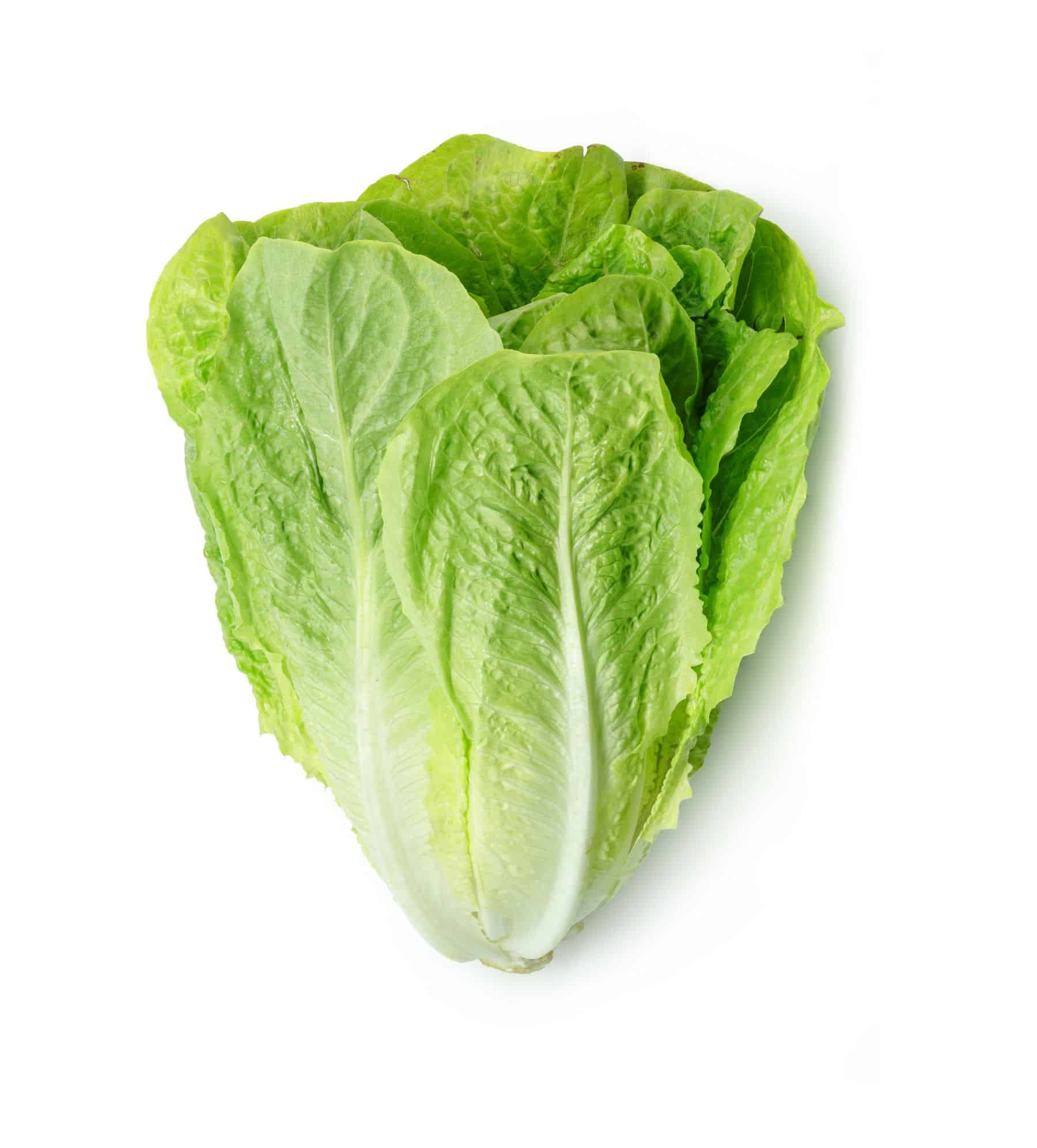
Parris Island Cos Lettuce (Lactuca sativa var. romana cv.), also known as romaine lettuce, is a classic variety with crisp, flavorful leaves and a creamy white heart. Developed by the USDA and Clemson University around 1950, this variety is known for its heat tolerance, bolt resistance, and disease resilience. Its upright heads reach 10-12 inches and offer nutritious, tender leaves, perfect for salads and lettuce wraps.

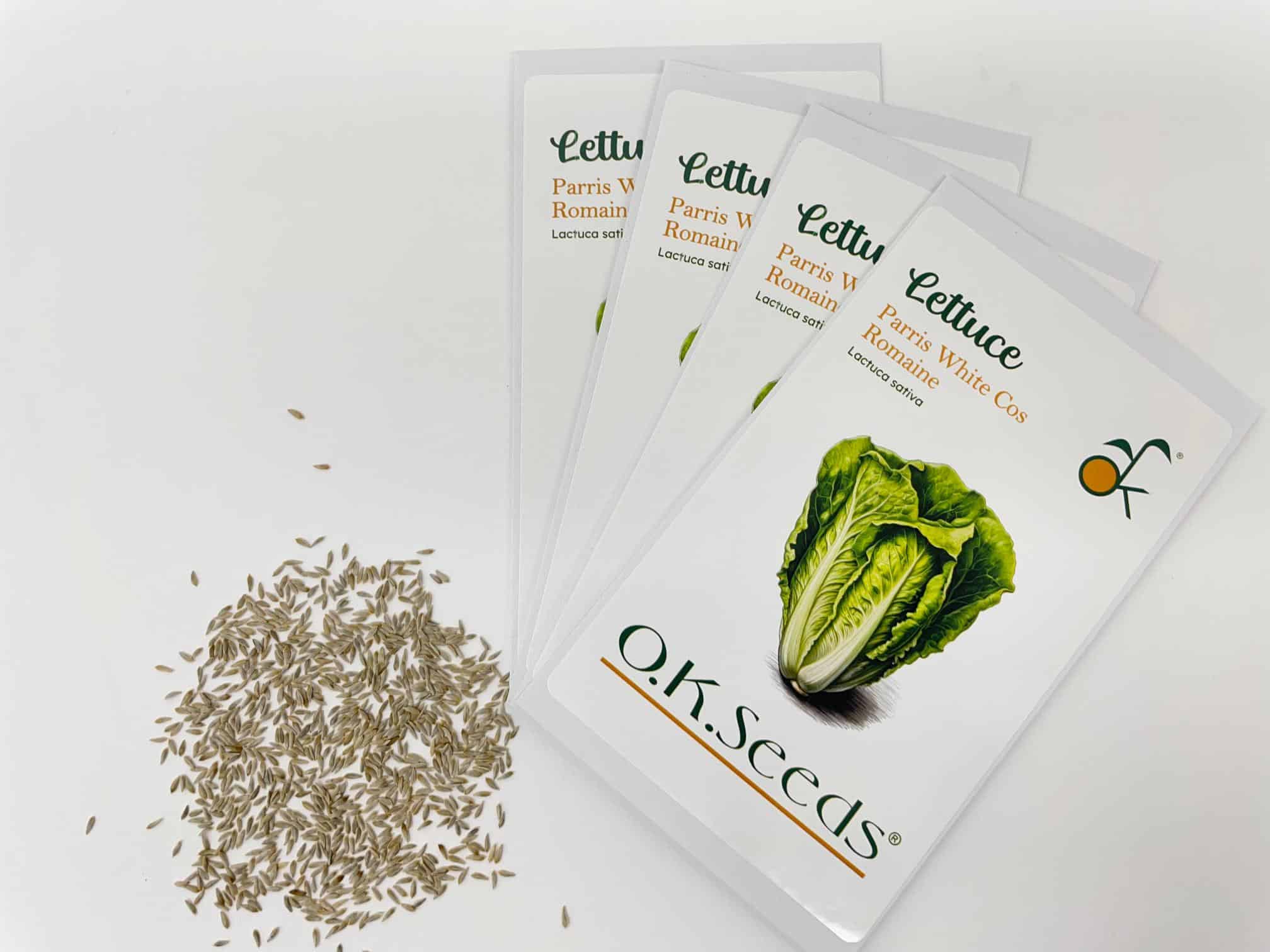
Disclaimer: Sold individually — price is for 1 seed packet only. Image shows multiple packets for display purposes only.

Product images are provided for illustrative purposes only and may not be an exact representation of the product. The actual product may vary due to a variety of factors.

275 in stock

  • Days to Germination: 5-14 days
  • Days to Maturity: 21-68 days
  • Planting Time: Early spring and fall; in mild climates, it can also be grown in winter.
  • Sunlight Requirement: Full sun to part shade
  • Soil Temperature: 40-70¡F (ideal for germination)
  • Soil Requirements: Well-drained, fertile soil with a pH of 6.0-7.0
  • Spacing: 10 inches apart, rows 1-2 feet apart
  • Plant Height: 10-12 inches
  • Heat and Frost Tolerant: Yes

Direct Sowing:

  • Timing: Sow seeds as soon as the soil can be worked in spring or about 2-4 weeks before the last frost. Ideal soil temperature is 40-70¡F.
  • Depth: Plant seeds 1/8 inch deep in rows spaced 1-2 feet apart. Thin seedlings to 10-12 inches apart once they reach 1/2 inch tall.

Indoor Starting:

  • Timing: Start seeds indoors 4-6 weeks before the last frost. Transplant seedlings outdoors once they have at least two true leaves.

Succession Planting:

  • To extend harvest, sow every 3 weeks from early spring through summer, especially in regions with mild summers. In warm regions, partial shade helps prevent bolting in summer.

Growing Tips

  • Watering: Keep soil consistently moist but not waterlogged. Applying mulch around the plants conserves moisture and controls weeds.
  • Fertilization: Use a nitrogen-rich fertilizer or add compost to encourage growth. Fertilize again mid-season for a prolonged harvest.
  • Shade: Provide afternoon shade in hotter climates to help prevent bolting.

Harvesting

  • Timing: Harvest in the morning for the best flavor and crispness.
  • Method:
    • Whole Plant: Cut at ground level for full-head harvesting.
    • Outer Leaves: Harvest outer leaves as needed, allowing inner leaves to continue growing for a prolonged harvest.

Nutritional Benefits and Culinary Uses

  • Nutrients: High in vitamins A, C, and K, iron, and folate.
  • Culinary: Use in fresh salads, lettuce wraps, or as a crunchy addition to sandwiches.