Free shipping on orders over $60

Clemson Spineless

Abelmoschus esculentus

$3.99

13 g Approximately

Clemson Spineless Okra (Abelmoschus esculentus) is a highly popular, spineless variety developed in 1939, widely grown for its tender, flavorful green pods. This heat-loving, drought-tolerant plant thrives in warm conditions and is an excellent addition to summer gardens. It’s most commonly used in Cajun dishes, soups, gumbos, and stews. Hardy in USDA zones 5-12, this variety matures in 55-60 days and can grow up to 5-6 feet tall in longer, warmer seasons.

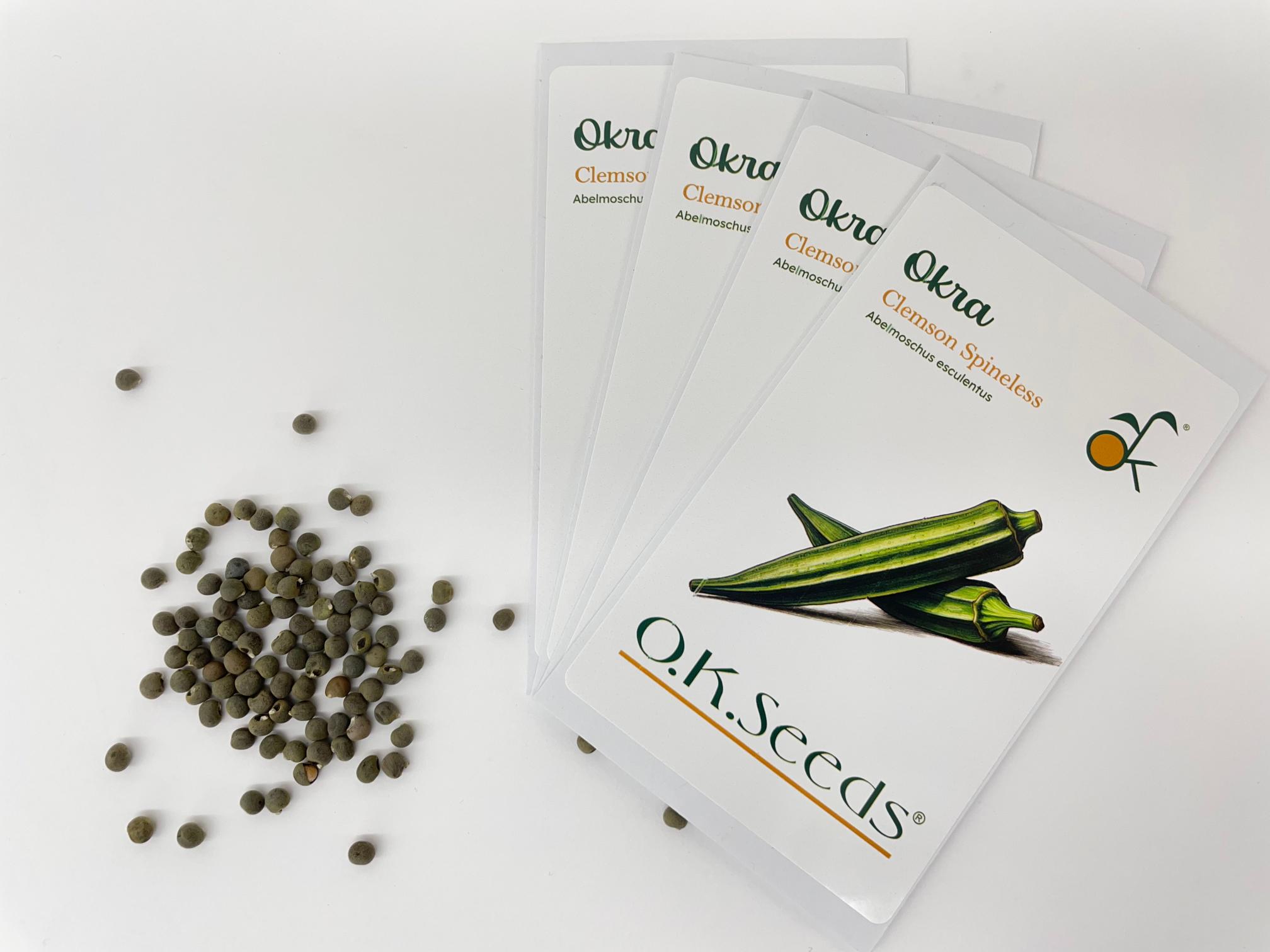
Disclaimer: Sold individually — price is for 1 seed packet only. Image shows multiple packets for display purposes only.

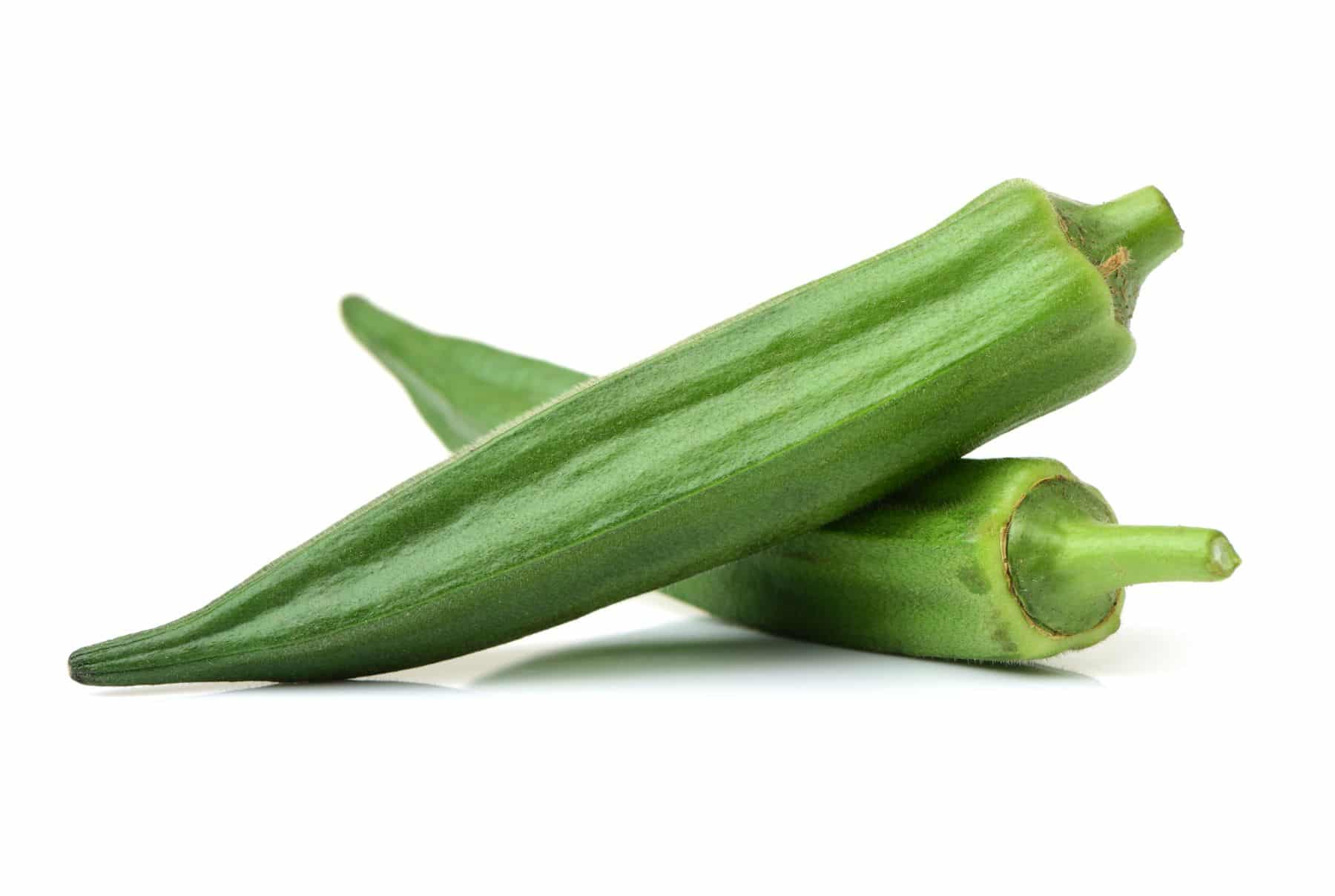
Product images are provided for illustrative purposes only and may not be an exact representation of the product. The actual product may vary due to a variety of factors.

34 in stock

  • Days to Germination: 7-14 days
  • Days to Maturity: 55-60 days
  • Planting Time: Start seeds indoors 3-4 weeks before last frost or direct sow after last frost
  • Sunlight Requirement: Full sun
  • Soil Temperature: 75-90°F
  • Soil pH: 5.8-7.0 (neutral to slightly acidic)
  • Plant Spacing: 12-18 inches in rows 3 feet apart
  • Height: Up to 60 inches
  • Frost Hardy: No

Seed Preparation:

  • Soak seeds for 24 hours to encourage faster germination.

Indoor Sowing (for short growing seasons):

  • Timing: Sow indoors 3-4 weeks before the last frost.
  • Planting Depth: Sow seeds 3/4 inch deep in peat pots.
  • Temperature: Maintain a soil temperature of 80-90°F for optimal germination.

Direct Sowing (for warmer climates):

  • Sow seeds 3/4 inch deep directly in the garden after the last frost, once soil temperatures consistently reach 60°F.
  • Plant in full sun, spacing seeds 12-15 inches apart in rows 3 feet apart. Thin seedlings to the strongest plant per group.

Growing Tips

  • Moisture: Keep soil consistently moist, especially in dry periods. Okra requires about 1-1.5 inches of water per week.
  • Mulching helps conserve moisture and control weeds.
  • Weeding: Maintain weed-free rows, as okra seedlings compete poorly with weeds.
  • Temperature: Okra thrives in heat; using black plastic or row covers in cooler climates can help maintain necessary warmth.

Harvesting

  • Timing: Begin harvesting when pods reach 2-3 inches long for the best taste and tenderness.
  • Frequency: Harvest every other day to promote continuous production, as mature pods will slow down growth.
  • Method: Cut pods from the stem just above the cap.

Nutritional and Culinary Use

  • Nutrients: Okra pods are rich in fiber, vitamins A, C, and folate.
  • Flavor: Strong, meaty flavor; often boiled or fried.
  • Culinary Use: Adds body and flavor to dishes like gumbo, stews, and soups. Okra is ideal for pickling or enjoyed as a fried snack.

Clemson Spineless Okra remains a top choice for both home and market gardens due to its productivity, spineless stems, and adaptability to warm climates. Regular harvesting encourages abundant yields throughout the growing season.