Free shipping on orders over $60

Thyme

Thymus vulgaris

$3.99

630 mg Approximately

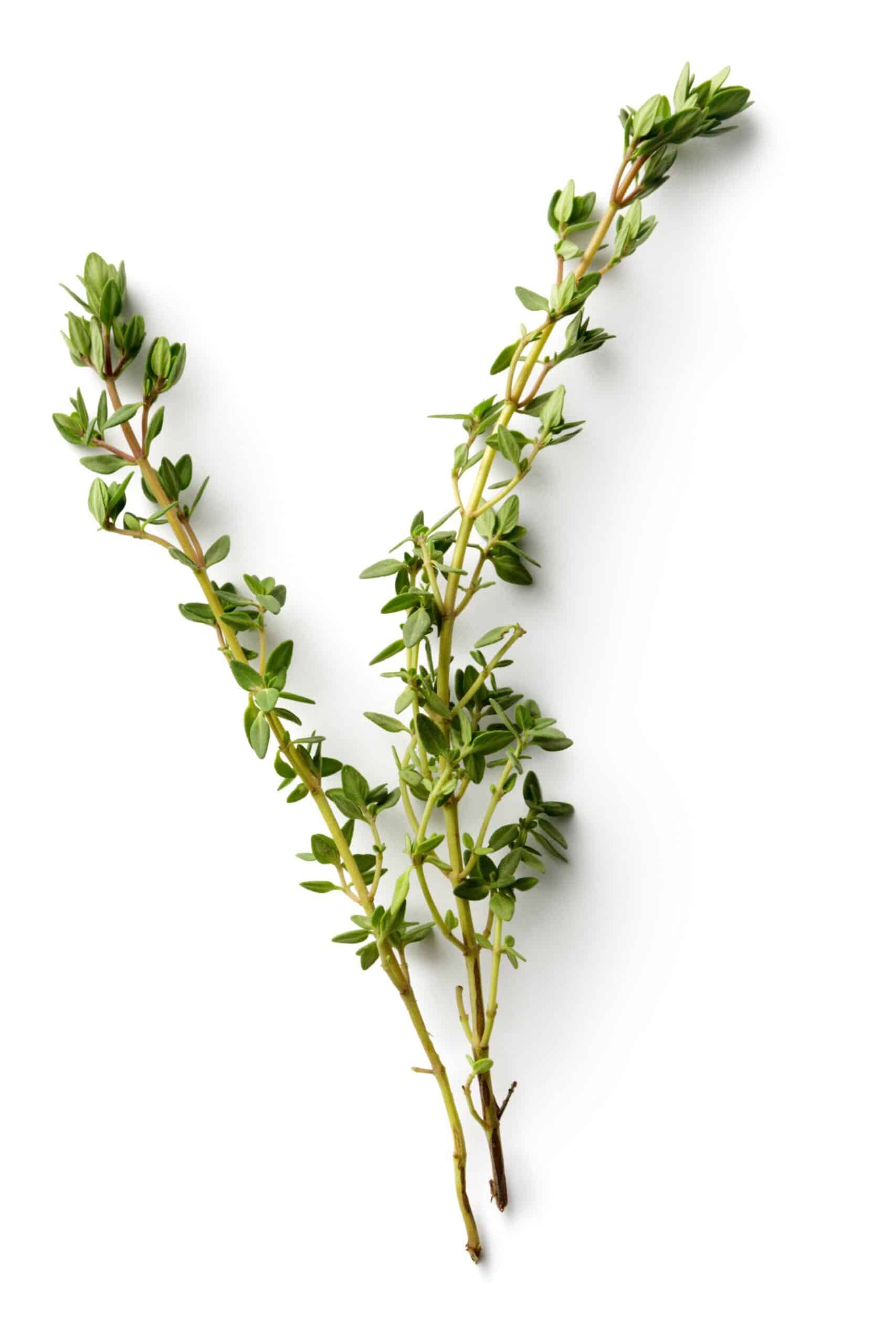
Common Thyme, also known as German or Garden Thyme, is a hardy perennial herb native to the Mediterranean. It features fragrant, sage-green leaves and woody stems with small pink, violet, or indigo flowers that bloom in early to late summer. This versatile herb offers a pungent, slightly minty flavor and is widely used in culinary and medicinal applications. It is a low-maintenance plant that thrives in poor, dry, and well-drained soils, making it a great choice for herb gardens, borders, or container planting.

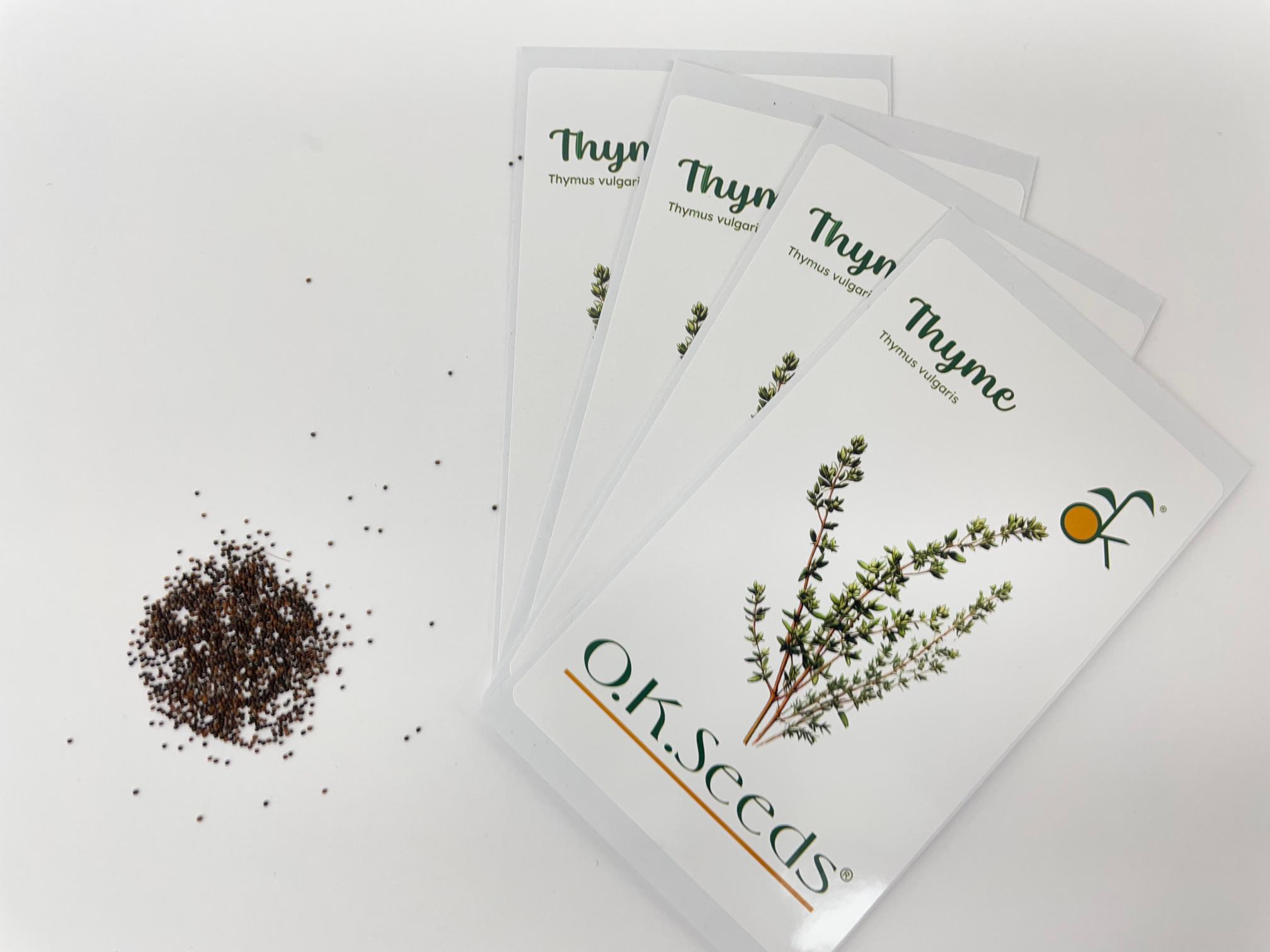
Disclaimer: Sold individually — price is for 1 seed packet only. Image shows multiple packets for display purposes only.

Product images are provided for illustrative purposes only and may not be an exact representation of the product. The actual product may vary due to a variety of factors.

44 in stock

  • Do not overwater; thyme thrives on neglect and prefers dry conditions.
  • Avoid wet foliage by surrounding plants with gravel or mulch to prevent rot and fungal diseases.
  • Prune plants back to half their height in the second spring to encourage tender growth.
  • Harvest leaves in the morning after the dew has dried, cutting 1–2 inches above ground level.
  • Dry harvested sprigs in a warm, shaded area for later use.

Indoors:

  • Start seeds 6–8 weeks before the last frost.
  • Sow seeds ¼ inch deep in sterile seed-starting mix.
  • Transplant seedlings outdoors after frost danger has passed, spacing them 12–18 inches apart.

Outdoors:

  • Direct sow after the last frost when the soil has warmed.
  • Thin seedlings to maintain proper spacing.

Companion Planting:

  • Plant near vegetables to deter pests like flea beetles and cabbage pests.

Growing Tips

  • Do not overwater; thyme thrives on neglect and prefers dry conditions.
  • Avoid wet foliage by surrounding plants with gravel or mulch to prevent rot and fungal diseases.
  • Prune plants back to half their height in the second spring to encourage tender growth.
  • Harvest leaves in the morning after the dew has dried, cutting 1–2 inches above ground level.
  • Dry harvested sprigs in a warm, shaded area for later use.

Culinary and Medicinal Uses

  • Common Thyme adds a fragrant, earthy flavor to soups, stews, meats, sauces, and Mediterranean dishes.
  • Popular in clam chowder, gumbo, and herbal teas.

Medicinal:

  • Contains anti-inflammatory and vitamin C properties.
  • Used in essential oils for aromatherapy and to support digestion and respiratory health.

Other Uses:

  • Attracts pollinators such as bees and butterflies while deterring garden pests.
  • Ideal for ground cover or as an aromatic addition between walkway stones.
  • Common Thyme is a timeless addition to any garden, valued for its flavor, fragrance, and resilience in various growing conditions.