Free shipping on orders over $60

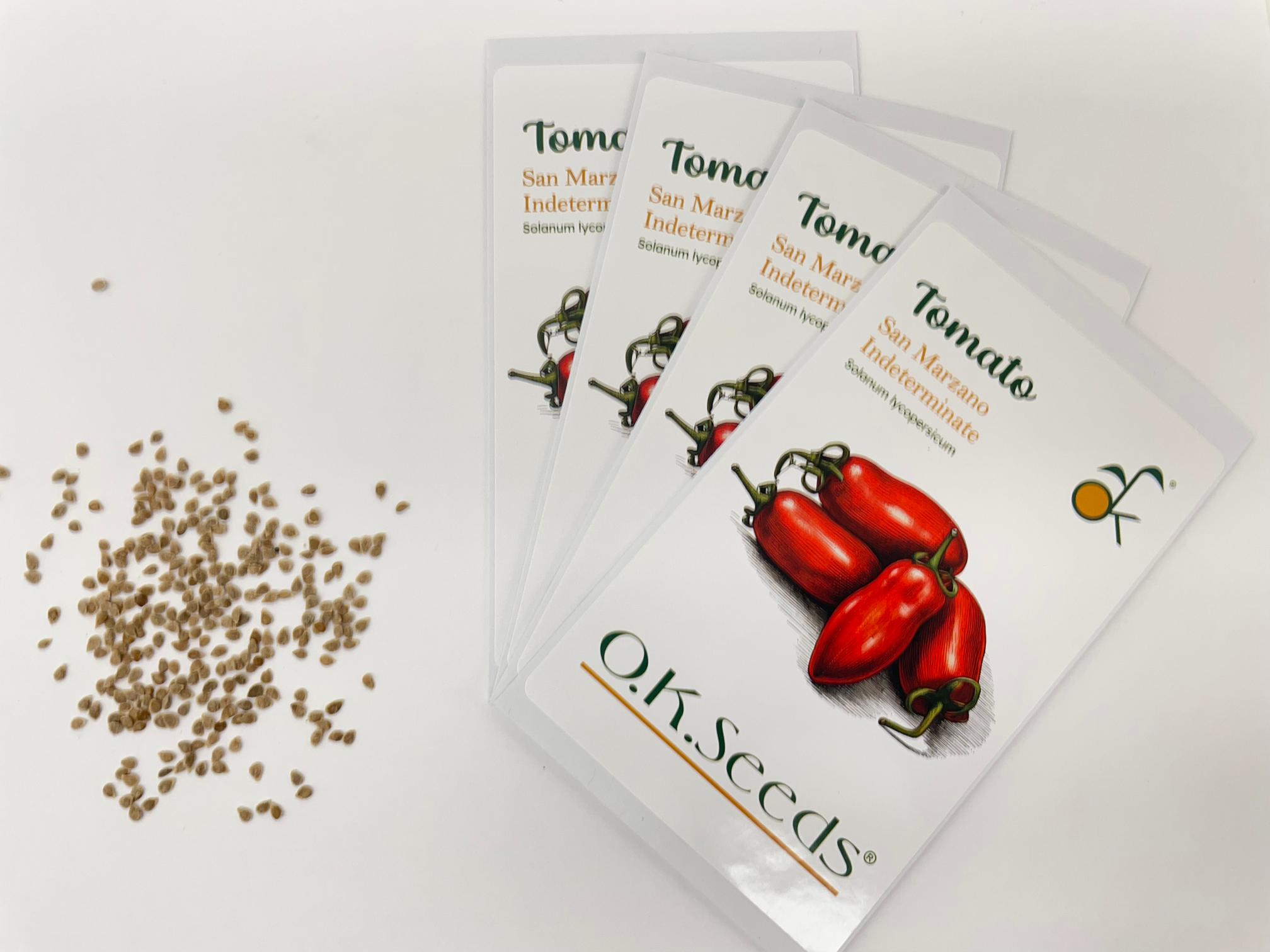
San Marzano Indeterminate

Solanum lycopersicum

$3.99

175 mg Approximately

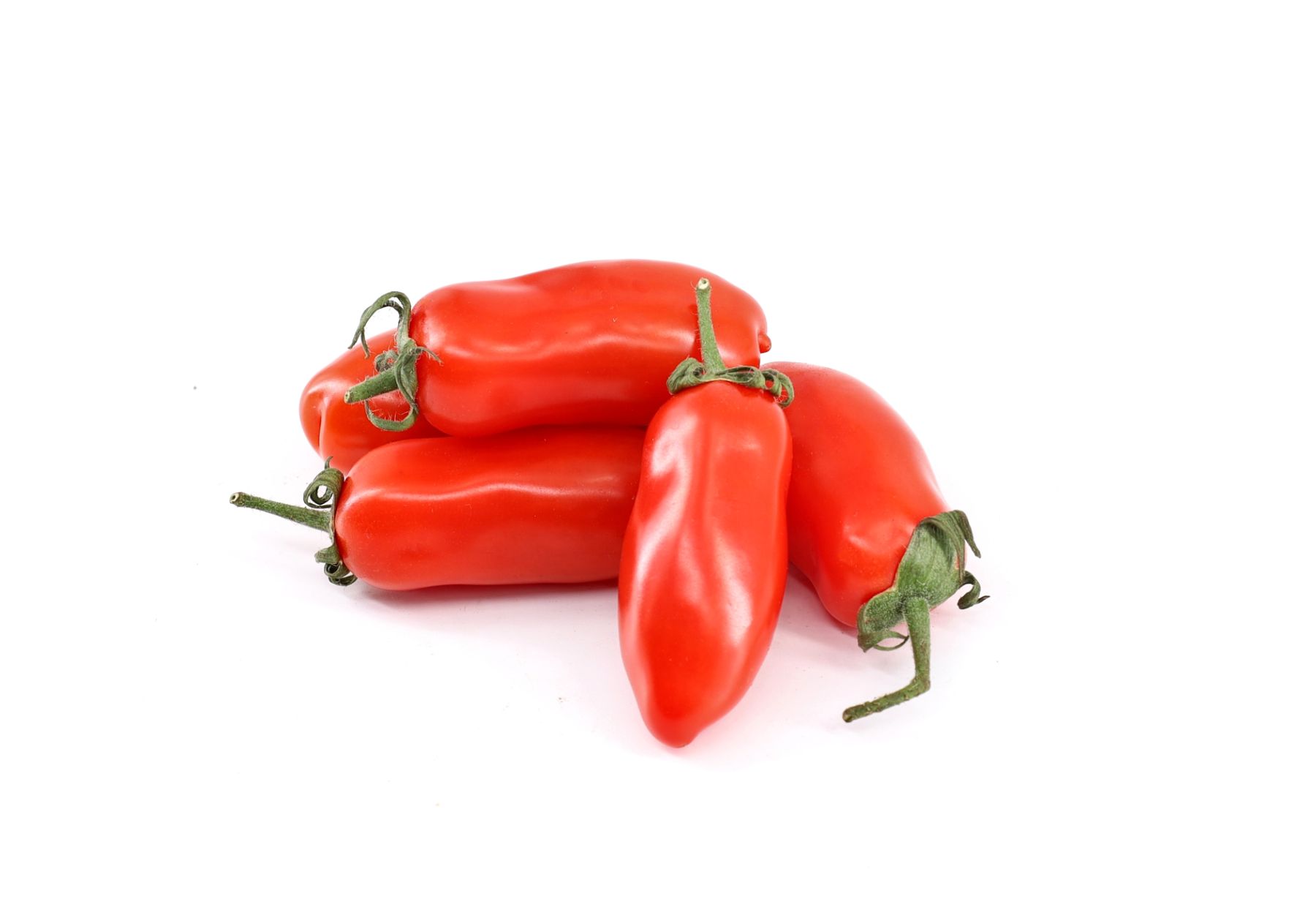
The San Marzano Tomato (Solanum lycopersicum) is a renowned Italian heirloom tomato ideal for making sauces, pastes, and salsas due to its dense flesh, low water content, and high yields. Here’s a guide to successfully growing and harvesting this productive tomato variety.

Disclaimer: Sold individually — price is for 1 seed packet only. Image shows multiple packets for display purposes only.

Product images are provided for illustrative purposes only and may not be an exact representation of the product. The actual product may vary due to a variety of factors.

648 in stock

  • Type: Indeterminate
  • Days to Germination: 7-14 days
  • Days to Maturity: 75-90 days
  • Fruit Size: 2-3 inches, 5-6 oz
  • Sun Requirement: Full sun (6+ hours daily)
  • Spacing: 24 inches apart, rows 36-48 inches apart
  • Ideal Soil pH: 6.0-6.5
  • Height: 36-90 inches with trellising

Indoor Sowing:

  • Timing: Start seeds indoors 6-8 weeks before the last expected frost.
  • Depth and Spacing: Sow seeds 1/4 inch deep in seed-starting soil with good drainage.
  • Temperature: Maintain soil temperatures at 75-90°F, using a heating mat if necessary.
  • Lighting: Place seedlings in a sunny location or under grow lights, with at least 8 hours of light per day.

Transplanting Outdoors:

  • Hardening Off: Begin exposing seedlings to outdoor conditions gradually a week before transplanting.
  • Timing: Transplant outside after all risk of frost has passed and soil temperatures reach at least 60°F.
  • Depth: Plant deeply, covering part of the stem to encourage additional root growth.
  • Spacing: Allow 24 inches between plants and 36-48 inches between rows.

Growing Conditions and Care

  • Soil: San Marzano tomatoes prefer fertile, well-draining soil rich in organic matter.
  • Watering: Water at the base, providing 1-2 inches of water per week. Avoid wetting the foliage to reduce disease risk.
  • Fertilizing: Use a balanced organic fertilizer when transplanting, then apply high-phosphorus fertilizer once fruit appears.
  • Mulching: Apply mulch around the base to retain moisture and moderate soil temperature.

Trellising and Pruning

  • Support: These tall vines need staking or caging to prevent sprawling. Trellising helps maximize airflow and sunlight exposure.
  • Pruning: Regularly prune suckers (small shoots growing from the leaf axils) to focus the plant’s energy on fruit production.

Harvesting

  • Ripeness: Harvest when tomatoes reach full red color and have a slight give.
  • Method: Use scissors or gently twist to avoid damaging the plant.
  • Storage: Store fully ripe tomatoes at room temperature, or for extended storage, keep in a cool, dark area. Refrigerate only after reaching peak ripeness.

Growing Tips for Southern Zones (9-10)

  • Extended Season: In zones 9-10, San Marzano tomatoes can often be grown year-round but may require protection from extreme summer heat and winter chill.
  • Mulching: In hotter months, mulching and possibly using shade cloth can prevent the soil from overheating.
  • Pest Control: Check plants for tomato hornworms and aphids, particularly during warmer months, and remove pests manually or treat with neem oil.
  • Companion Planting and Crop Rotation
  • Good Companions: Grow with low-lying plants like basil or flowers such as marigold, which deter pests and encourage pollinators.
  • Crop Rotation: Avoid planting tomatoes in the same soil consecutively to reduce soil-borne diseases.

San Marzano tomatoes are the go-to for canning and sauces due to their low juice and seed content. With consistent care, support, and pest management, you can enjoy a bountiful yield of these flavorful tomatoes!