Free shipping on orders over $60

Sugar Baby

Citrullus lanatus

$3.99

5 g Approximately

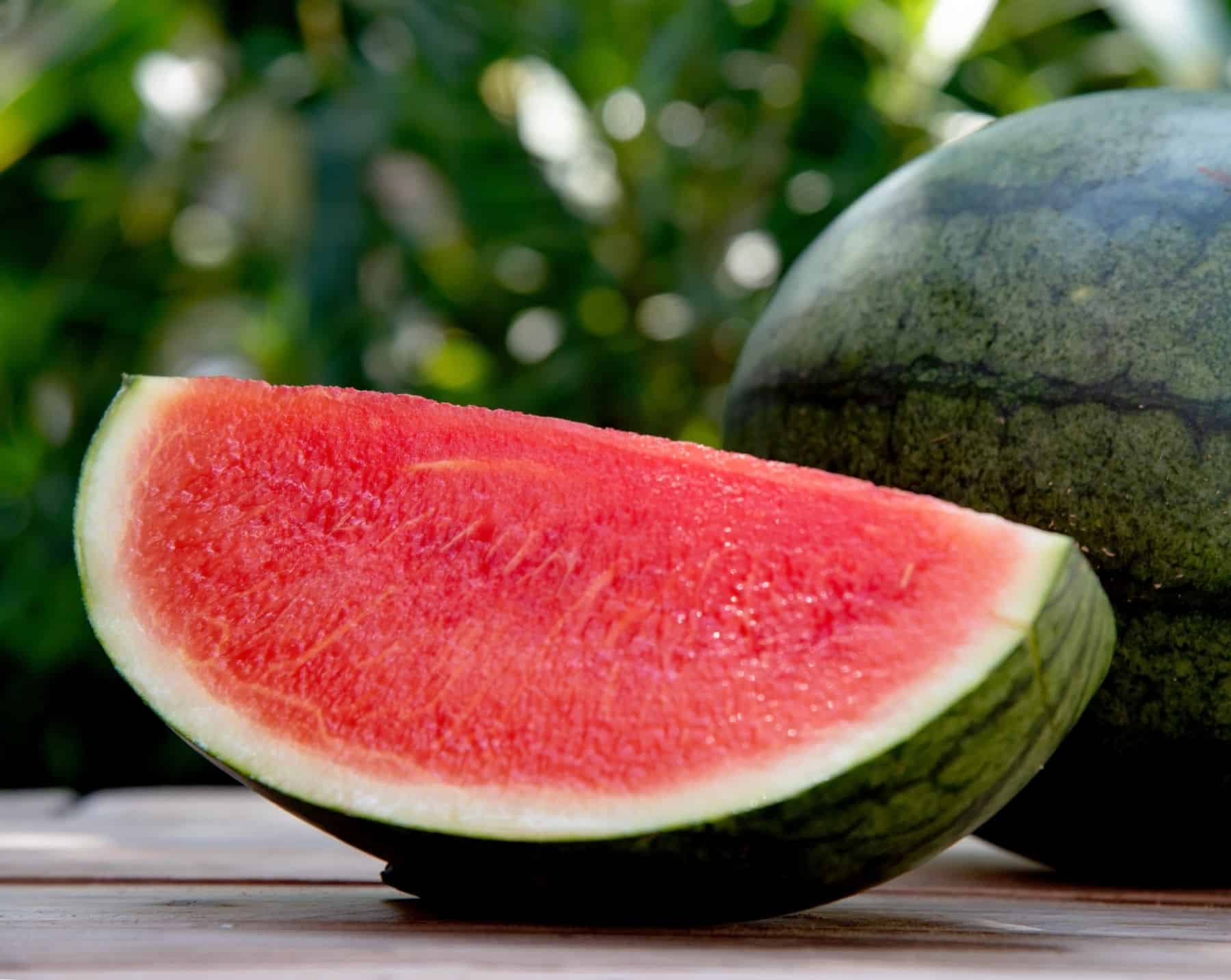
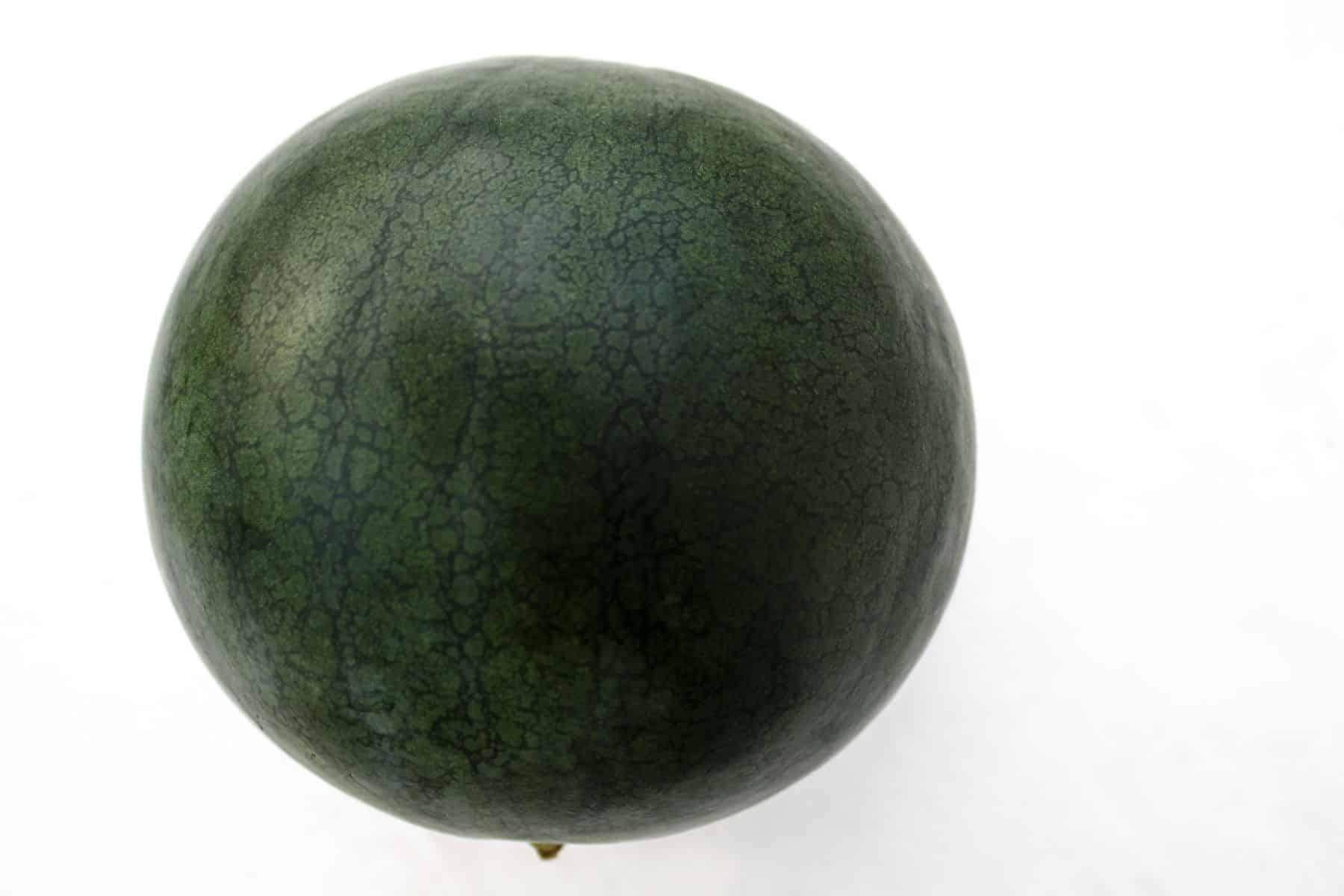
Sugar Baby Watermelon (Citrullus lanatus) is a compact, high-yielding heirloom variety prized for its juicy, super-sweet flavor and small size, making it a favorite among gardeners with limited space. This variety matures quickly and produces icebox-sized melons (6Ð10 lbs) with deep red flesh and nearly black, matte green skin. It’s well-suited for areas with shorter growing seasons and thrives in warm weather with full sun.

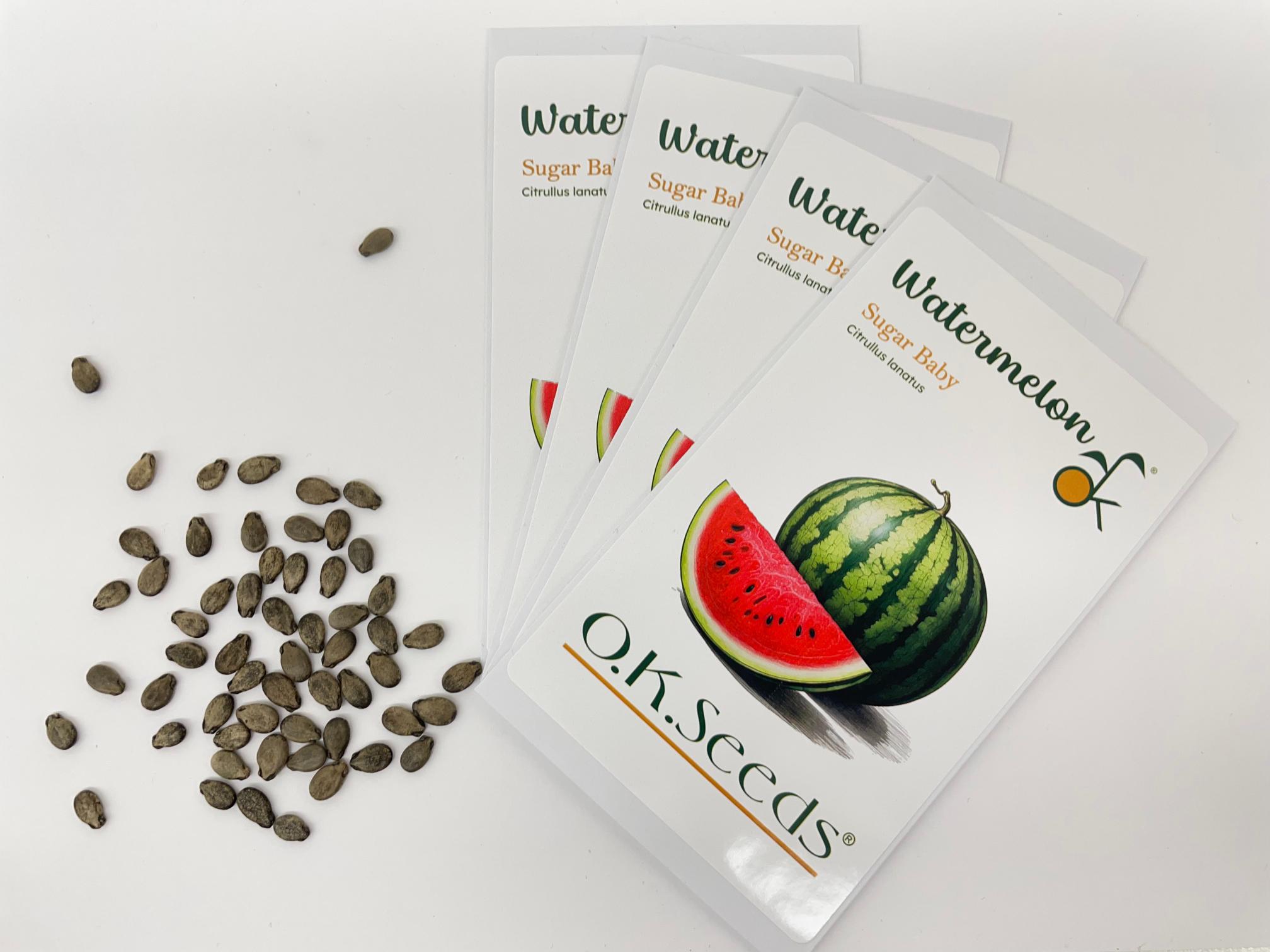
Disclaimer: Sold individually — price is for 1 seed packet only. Image shows multiple packets for display purposes only.

Product images are provided for illustrative purposes only and may not be an exact representation of the product. The actual product may vary due to a variety of factors.

90 in stock

  • Botanical Name: Citrullus lanatus
  • Days to Germination: 4Ð12 days
  • Days to Maturity: 75Ð80 days
  • Fruit Size: 6Ð10 lbs (mini watermelon)
  • Plant Height: 12Ð18 inches
  • Spacing:
    • Between Plants: 3Ð4 feet
    • Between Rows: 7Ð10 feet
  • Seeding Depth: 1/2Ð1 inch
  • Sunlight: Full sun
  • Soil pH: 6.0Ð6.8
  • Hardiness Zones: 3Ð10
  • Temperature Preference: 70Ð95¡F (21Ð35¡C)

Sowing Instructions

Timing:

  • Direct Sowing: Sow seeds outdoors after the last frost when soil temperatures reach at least 70¡F.
  • Indoor Sowing (Cooler Climates): Start seeds indoors 3Ð4 weeks before transplanting outdoors. Use peat pots to minimize transplant shock.

Soil Preparation:

  • Choose loose, fertile soil high in organic matter with excellent drainage.
  • Mound soil 8Ð10 inches high to accommodate sprawling vines and improve drainage.

Planting:

  • For direct sowing, plant 2Ð3 seeds per hill, 1/2Ð1 inch deep, and space hills 6Ð8 feet apart.
  • Thin to the strongest 2Ð3 seedlings once they reach about 8 inches tall.

Trellising (Optional):

  • Smaller Sugar Baby melons can be grown on trellises to save space. Secure each melon in a sling for support as it grows.

Growing Conditions
Watering:

  • Keep soil consistently moist, especially during flowering and fruiting. Reduce watering once fruits begin to ripen to avoid diluting flavor.
  • Water at the base of the plants to prevent diseases and avoid wetting foliage.

Fertilization:

  • Apply a nitrogen-rich fertilizer every 2Ð3 weeks until fruiting begins, then switch to a balanced fertilizer.
  • Adding compost to the soil before planting can also improve fertility.

Mulching:

  • Apply mulch to help retain moisture, suppress weeds, and keep soil temperatures consistent.

Harvesting and Storage
Signs of Ripeness:

  • The underside of the melon should turn yellow when ripe.
  • Use the Òthump testÓ by knocking on the melon; a ripe melon will produce a dull thud rather than a hollow sound.
  • The tendril closest to the stem will turn brown and dry when the melon is ripe.

Harvesting:

Use scissors or shears to cut the melon from the vine to prevent damage.

Storage:

  • Uncut melons can be stored in a cool place for several weeks.
  • Once cut, wrap the melon in plastic and refrigerate for up to 3 days.

Culinary Uses
Serving Ideas:

  • Cut into balls for a fresh, sweet snack.
  • Blend with ice for a refreshing watermelon smoothie.
  • Sugar Baby Watermelon is ideal for gardeners seeking a productive, easy-to-grow melon with a high sugar content and manageable size. Its compact growth habit and flavorful fruit make it a great choice for edible gardens. Enjoy this sweet treat as a fresh snack or in your favorite summer recipes!